proudly present

8 Oct 2026
Amsterdam
proudly present
8 Oct 2026
Amsterdam
Thursday 8 October 2026
Registration & welcome coffee
Start your day energized. Arrive early to collect your event badge and network over morning coffee and refreshments before the sessions kick off.

Victor Georgescu
Solarplaza
Session 1
For twenty years, the European solar and energy storage industries treated recycling as a distant challenge to be solved "somewhere down the line." That line has arrived. This opening keynote delivers an authoritative call to action on the systemic challenges facing asset managers, EPCs, and investors. From cross-border regulatory loopholes to the lack of standardized decommissioning reserves, it outlines why current industry practices fall short and provides a roadmap for transforming compliance into a long-term competitive advantage.

Jan Clyncke
PV CYCLE
A provocative financial analysis challenging the status quo. Can the raw material value of solar assets eventually offset the cost of recycling, driving the producer fee to zero? And what structural conditions would need to be in place for that to happen?
Maarten Dubois
Deloitte
This panel explores the strategic transition from mandatory compliance to commercial opportunity. Experts debate how proactive engagement with EoL, planning, and EPR schemes can enhance asset bankability, optimize insurance and financing terms, and drive long-term project value.
Jan Clyncke
PV CYCLE
Eric Ruyters
Eucobat

Tim Moolhuijsen
Eneco

Thies Peters
Netherlands Enterprise Agency (RVO)
Morning networking break
Session 2
A synergistic session covering the two most critical "non-panel" assets. One expert covers the high-stakes safety of BESS decommissioning, while the other references the high-revenue potential of inverter harvesting, followed by a joint Q&A on integrated logistics.
Johan Van Peperzeel
DoorVeen

Ullrich Didszun
UDZ Consult
When a developer repowers an aging solar-BESS hybrid asset or swaps out battery racks early, where does the hardware actually go? While second-life trading is widely promoted as a circular solution, the commercial reality is fraught with testing costs, warranty disputes, and severe regulatory loopholes. The panel debates these friction points of the secondary market.

Lianne van Aagten
Kennedy Van der Laan

Malte Fislake
Reiling PV-Recycling
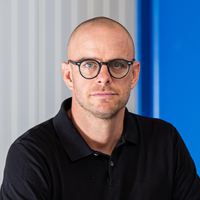
Stefan Wippich
SecondSol
Johan Van Peperzeel
DoorVeen
Networking lunch break
Use the long networking lunch break to grab a bite, reconnect with industry peers, and meet our partners and exhibitors.
Session 3
Without scalable, high-efficiency recycling technologies, the rapid growth of photovoltaics risks creating a massive waste bottleneck across Europe. This presentation addresses the critical gaps in current end-of-life PV management, cutting through the high-level circularity rhetoric to deliver an operational deep dive into industrial raw material recovery.

Petra Schmigalle
SOLAR MATERIALS
Case studies from executed repowering projects: When a PV module or component reaches the end of its first life, the decision between refurbishment and recycling is rarely straightforward. What are the technical thresholds, financial logic, and market conditions that determine whether an asset gets a second life or goes to the shredder?
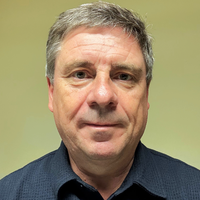
Serge Noels
A dynamic debate on the tension between durability and circularity. As manufacturers push for longer operational lifespans, does "ruggedised" design make reuse and recycling harder? We explore the manufacturer’s dilemma, seeking to balance asset longevity with end-of-life recoverability.
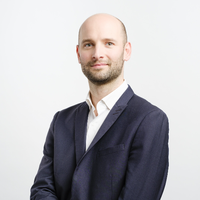
Germain Castermans
PV CYCLE

Ruiqi Hua
JA Solar

Elina Bosch
Becquerel Institute

Christina Maria Huber
SolarPower Europe
Afternoon networking break
Session 4
In Q3 2026, Alberta became the first jurisdiction in North America to ban solar panels from landfills and launch a fully funded EPR program. This session draws on the direct operational experience of building a solar recycling business from scratch in a market lacking prior infrastructure, facing extreme climate conditions, and managing millions of legacy panels.
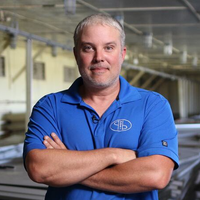
Dan Carrocci
Sunset Renewable Asset Management
A "town hall" style closing debate, inviting the full value chain to identify the single most important change that must happen before the industry reconvenes in 2027. Moving beyond diagnosis, this panel is structured around actionable commitments.

Dr. Pratik Vinayak Gholkar
Ecochain

Anouk Blum-den Heijer
StartGreen Capital
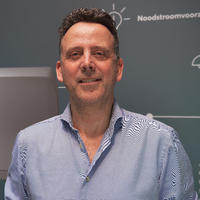
Michiel van Schalkwijk
Stichting OPEN
Maarten Dubois
Deloitte
Victor Georgescu
Solarplaza
Jan Clyncke
PV CYCLE
Networking drinks
Got questions?
We’ve got you covered — explore our most frequently asked questions about Recycling Solar & BESS Summit!
Send us an email; we’d be more than happy to help.
Radmyla Nikitchenko
Junior Event Manager
For questions about the program and content of the event:
[email protected]
Victor Georgescu
Event Manager
For questions about the program and content of the event:
[email protected]
Maryana Malyshevska
Business Developer
For questions regarding partnership opportunities:
[email protected]