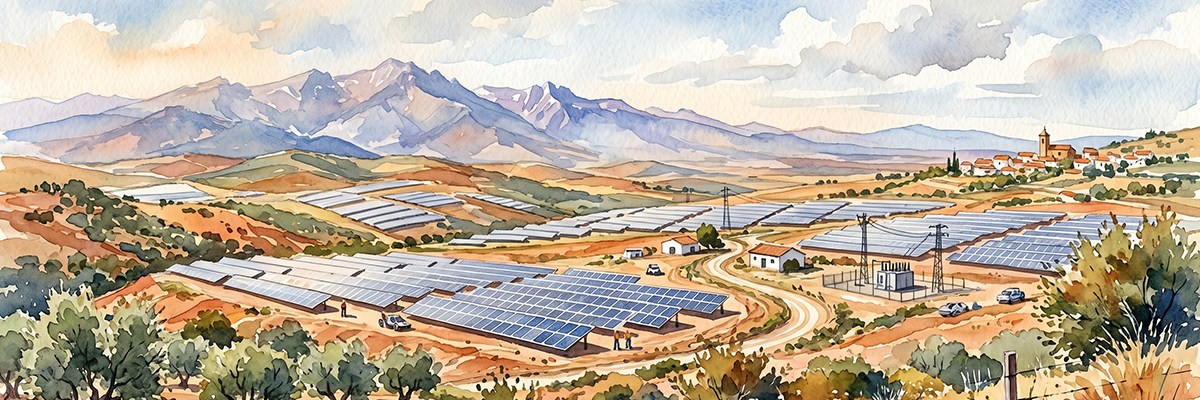
We have compiled our annual asset tracking data to map the evolution of large-scale renewable infrastructure across the continent. The insights featured in this analysis stem directly from our comprehensive 'Top 50 Operational Solar Portfolios Europe 2026' report, prepared by our research analyst, Zsolt Szalay. This publication provides a data-driven overview of the leading organizations driving the regional energy transition.
Key takeaways
- The combined operational capacity of the top 50 European solar portfolio owners reached 67.1 GW, representing approximately 15% of the continent's cumulative solar capacity.
- Large-scale asset ownership is highly concentrated, with the top 10 companies alone managing 31.4 GW, or 46.8% of the total ranked capacity.
- Independent Power Producers (IPPs) constitute the primary organizational model, accounting for 34.1 GW, or 50.9%, of the collective tracking baseline.
- Network congestion, curtailment risks, and negative pricing events are shifting project economics across major historical arenas like Spain and Germany.
The expanding operational solar landscape
Our annual asset tracking reveals that the combined operational capacity of the top 50 European solar portfolio owners reached 67.1 GW, expanding from 55.5 GW in the previous report period. This institutional fleet represents approximately 15% of the estimated 450 GW of cumulative installed solar capacity across Europe at the end of 2025. As we navigate the twists and turns of the European solarcoaster, the data shows that large-scale ownership is increasingly dominated by a consolidated group of major portfolio owners. The 10 largest companies alone account for 31.4 GW of operational capacity, which represents nearly half of the total database. Admission to the top 10 tier now requires an operational portfolio exceeding 1.7 GW of assets.
Corporate profiles across the top tier
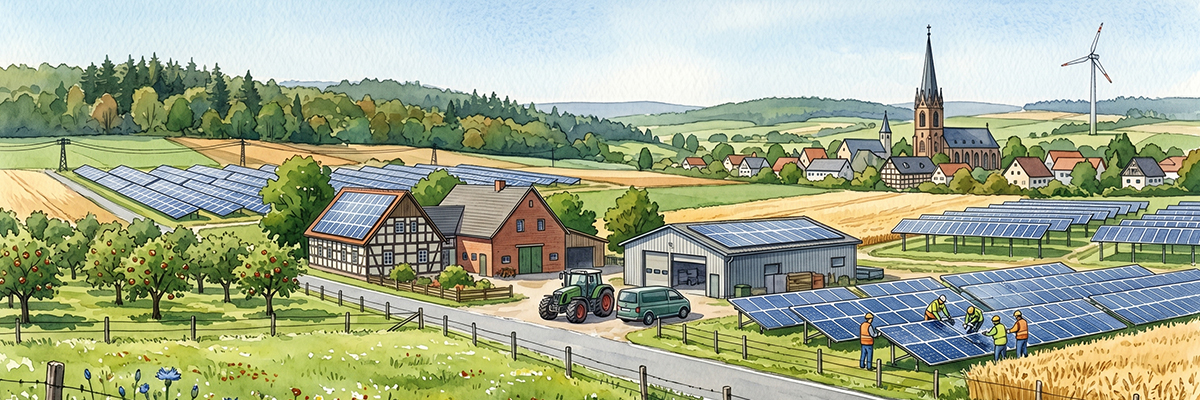
Iberdrola maintains its position as Europe's largest owner of operational solar capacity, with 6 GW, followed by Enerparc with 5.1 GW. Encavis returned to the top tier after adding nearly 1.6 GW compared with the previous edition. The upper layer remains structurally balanced, combining four IPPs, three utilities, and three investors within the top 10. Our research highlights the distinct roles that different corporate structures occupy within the utility-scale solar sector.
Independent Power Producers (IPPs) remain the primary backbone of the marketplace, operating 34.1 GW of operational capacity across the broadest and most geographically diversified fleets. Utilities follow with 18.1 GW, or 26.9% of the total, maintaining their strongest presence in a limited number of very large national markets such as Spain and France. Investors control 11.2 GW, focusing their selective footprints on mature operating environments that provide established financing structures and long-term revenue visibility. Specialized funds represent the smallest category with 3.7 GW, with most of their infrastructure-style asset management concentrated in the UK, Italy, and Spain.

High penetration, network friction, and operational market realities
The findings from our annual research indicate that the European utility-scale solar sector is entering a mature operational phase. Portfolio owners are no longer competing solely through project development and construction pipelines. Instead, corporate success depends on operational scale, geographic diversification, active revenue management, and sophisticated portfolio optimization capabilities. This operational evolution is most acute in high-penetration markets like Spain and Germany.
Spain has established itself as the primary large-scale solar ownership market, hosting 25.2 GW of the top 50 in capacity across 35 portfolio owners and attracting participation from every company ranked in the top 10 tier. However, rapid utility-scale expansion has placed significant pressure on the electricity system. Negative pricing events and curtailment risks have become more frequent during periods of peak solar generation and limited system flexibility, threatening long-term project yields.
Germany exhibits a similar pattern, in which a massive installed base poses complex grid challenges. Germany remains Europe's largest cumulative solar market with an estimated 117.7 GW of installed capacity, featuring a utility-scale solar base of approximately 40.1 GW. Within our top 50 database, 16 different portfolio owners collectively hold 8.9 GW of capacity inside the country. This institutional footprint represents only 22% of the domestic utility-scale baseline, reflecting a highly fragmented ownership environment. Increasing grid congestion and more periods of frequent negative pricing are changing the economics of both new and existing German assets. For large portfolio owners, this network friction raises the absolute importance of active portfolio management.
Strategic mitigation and portfolio optimization
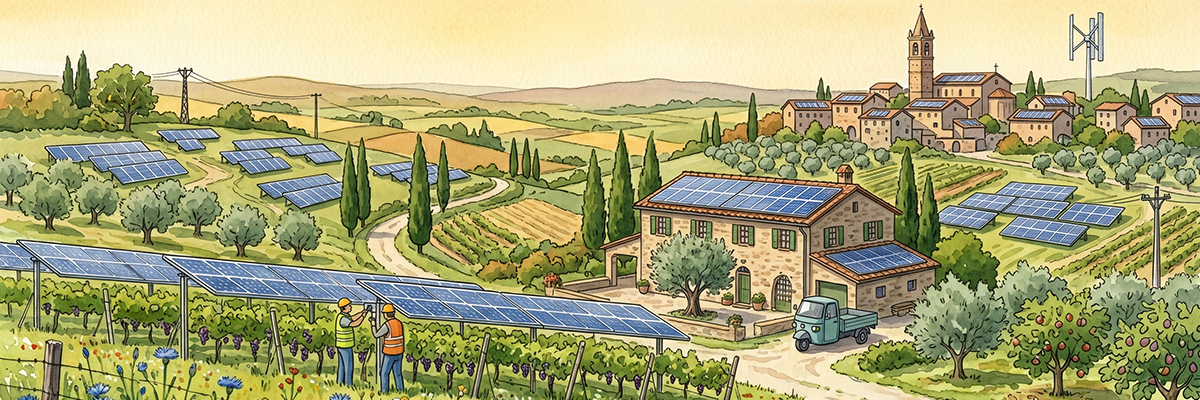
To protect long-term revenue streams from these systemic bottlenecks, leading asset platforms are moving away from simple generation models. Portfolio strategies prioritize flexible power purchase agreements, active market participation, and co-located battery storage integration to manage curtailment risks and stabilize project yields. As renewable penetration continues to rise across secondary markets like Italy, Poland, and the Netherlands, these technical asset management and portfolio optimization capabilities will become the defining differentiators among the continent's leading owners.
Operating blindly without comprehensive market intelligence exposes your organization to severe strategic risks in an increasingly competitive environment. To protect your long-term project yields and gain complete visibility into the full dataset, you can download the full document from the main resource page after completing a free registration.