Iberia’s journey to becoming a renewable energy leader is well underway, but the conversation has moved beyond the 'if' of solar and wind to the critical 'how' of integration. A truly resilient grid is not merely a technical necessity, but a direct pathway to unlocking even greater financial value for every player in the RE sector. Recent grid stability concerns have served as a wake-up call, highlighting that our focus must now shift to a sophisticated, multi-faceted strategy to secure our energy future.
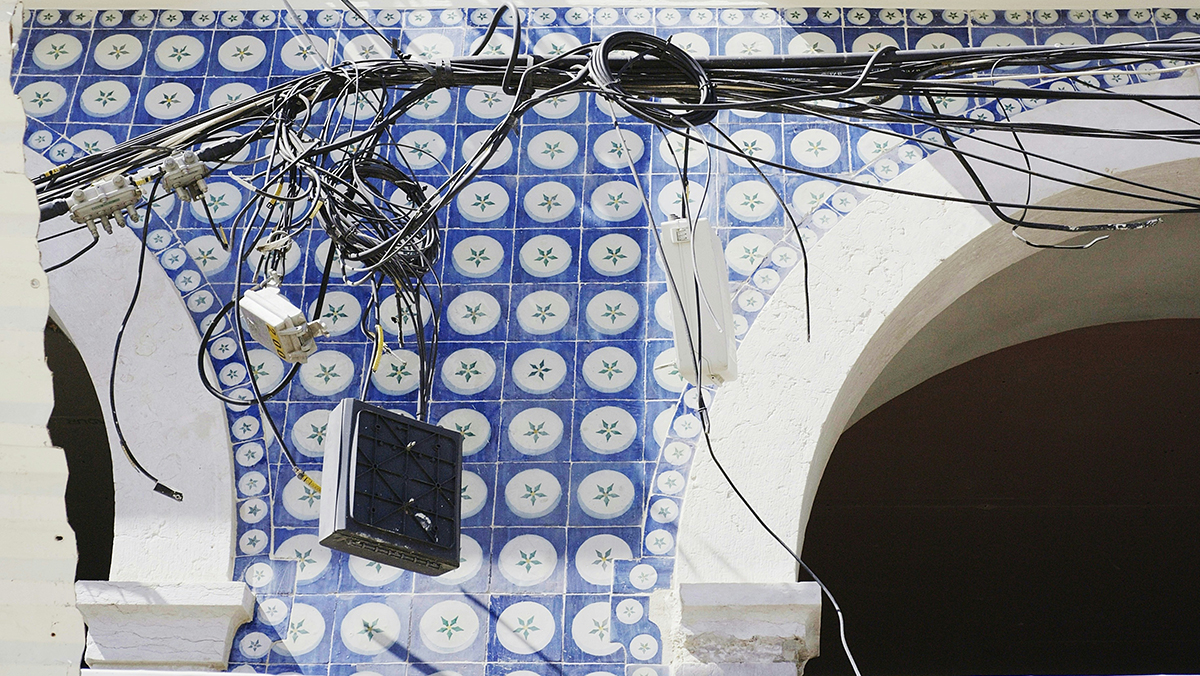
Photo by Dmitrii E. on Unsplash
Read the full article to unlock these takeaways:
- Grid resilience is paramount: Iberia's shift to renewables necessitates a robust grid to unlock greater financial value and address recent stability concerns.
- Cost of inaction is high: Curtailment, price depression, pipeline bottlenecks, and increased cost of capital are significant financial drains on renewable energy projects.
- Strategic solutions are available: Accelerating BESS deployment, prioritizing smart grid technologies, streamlining permitting, and embracing hybridization are key to building a resilient grid and creating new revenue streams.
- Collaboration is crucial: Achieving true grid resilience requires a collective, holistic effort from all stakeholders – TSOs/DSOs, policymakers, developers, manufacturers, banks, and investors – to ensure the entire energy ecosystem benefits.
- Iberia as a blueprint: By addressing these challenges collaboratively, Spain and Portugal can become a model for global renewable integration, securing a green, robust, and valuable energy future.

Photo by Mick Haupt on Unsplash
The cost of inaction: a drain on potential
The high penetration of renewables, while a decarbonization success story, has introduced systemic challenges that erode project value. For project developers and asset owners in Spain and Portugal, this translates directly to lost revenue and increased project risk.
CURTAILMENT AND PRICE DEPRESSION
The rise of variable renewable generation is consistently depressing wholesale power prices and causing moments of negative pricing. According to reports from UNEF and ASEALEN, this has led to a significant divergence between a project's nominal pool price and its actual capture price. In some congested areas, curtailment rates for solar PV can exceed 5% at peak times, representing a direct loss of revenue. For a 50 MW solar plant, this can translate to over €1 million in lost earnings annually, a financial reality that fundamentally alters a project’s long-term business case.
PIPELINE BOTTLENECKS
The administrative and technical journey to grid connection has become a primary bottleneck, stranding billions of euros in potential investment. Average connection delays of 12 to 24 months are now common for large-scale projects. For a 100 MW solar asset with a secured PPA, each month of delay can cost up to €1 million in foregone revenue, a staggering cost of inactivity that stifles the market's maturation.
COST OF CAPITAL UNCERTAINTY
Grid instability and the resulting revenue volatility are adding a tangible risk premium to project finance. Investors are increasingly factoring in these risks, leading to a higher Weighted Average Cost of Capital (WACC). This can add 15-30 basis points to the cost of debt, which on a typical €50 million project can equate to an additional €75,000 to €150,000 in annual financing costs, directly impacting the profitability of a project from its inception.

Photo by American Jael on Unsplash
A strategic roadmap for resilience
The industry's response must be equally sophisticated, focusing on actions that not only solve grid problems but also create new revenue streams and investment opportunities.
ACCELERATING BESS DEPLOYMENT
Utility-scale battery energy storage systems (BESS) are the most direct solution. BESS is now a crucial tool for revenue stacking, combining arbitrage (buying low/selling high) with high-value grid services. According to Pexapark's analysis, BESS can generate up to an extra €150,000 per MW per year through ancillary services (like aFRR and frequency containment reserve - FCR), providing a predictable revenue floor that fundamentally de-risks a project's business case.
PRIORITIZING SMART GRID TECHNOLOGIES AND DIGITALIZATION
The grid must evolve from a passive network to a cyber-physical system capable of real-time management. Advanced monitoring, AI-driven forecasting, and real-time control (from companies like enSights and Isotrol) allow grid operators to anticipate renewable fluctuations. This investment not only enhances system reliability and reduces balancing costs by 10-15% (per BloombergNEF insights) but also lays the foundation for services like synthetic inertia and virtual power plants.
STREAMLINING PERMITTING AND GRID CONNECTION
Collaborative efforts between governments and TSOs to digitalize and fast-track approvals are paramount for unlocking the pipeline.
A coordinated national strategy is required to turn the vast project pipeline into tangible assets. Simplifying and digitalizing administrative processes at a national and regional level is key. Reducing average pre-construction timelines by just 6 months could unlock several gigawatts of projects, bringing billions of euros in investment online sooner and generating accelerated revenue that fuels the entire value chain, significantly boosting national GDP contributions from the renewable sector.
EMBRACING HYBRIDIZATION AND SECTOR COUPLING
Pairing solar with storage creates "hybrid" assets that provide dispatchable, firm capacity from variable renewables. This strategic move unlocks more resilient PPAs that can command a 5-15% higher price (per PPA market reports) than traditional solar-only agreements. These innovative PPA structures are a central focus for professionals, as explored in our recent webinar on Contracting Renewables for the Future: Innovative Structures and Hybrid PPAs (find the recording here: https://www.solarplaza.com/resource/13262/webinar-contracting-renewables-for-the-future-innovative-structures-and-hybrid-ppas-2025/). Looking ahead, sector coupling—integrating the power sector with transport, heat, and green hydrogen production—will provide vast new sources of demand-side flexibility, turning challenges into opportunities.

Photo by Theodor Vasile on Unsplash
Collective impact for a stronger Iberia
Achieving true grid resilience and maximizing renewable energy's value in Iberia is a collective endeavor, rooted in the interdependence of every player in the ecosystem. While some categories hold significant leverage, their actions resonate far beyond their own immediate interests. The success of one stakeholder is now intrinsically linked to the strategic choices of all others. Therefore, to drive meaningful and sustainable change, the industry must adopt a holistic, team-based approach. Every player needs to look beyond their immediate commercial gain and recognize their role in a collaborative process that accelerates and secures the entire energy transition.
TSO AND DSO (GRID OPERATORS)
Investment in infrastructure, implementing innovative market designs, piloting new technologies (e.g., grid-forming inverters), and accelerating connection processes. Their strategic planning is the foundation for all other growth.
POLICYMAKERS AND REGULATORS
Creating a clear and stable regulatory roadmap, designing effective market mechanisms to properly value flexibility and grid services, and providing the legislative framework to streamline permitting. Their decisions dictate the economic viability of all solutions.
PROJECT DEVELOPERS AND IPPS
They bring projects online and are increasingly investing in grid-friendly solutions like storage and hybridization. Their commercial decisions drive innovation in project design and PPA structuring.
MANUFACTURERS AND TECHNOLOGY PROVIDERS
They provide the essential hardware (BESS, inverters) and software (monitoring, AI/ML platforms) that empower grid operators and developers to implement cutting-edge solutions. Their innovation reduces costs and enhances technical capabilities.
BANKS AND INVESTORS
Allocating capital to projects and technologies that show a clear path to profitability and resilience. Their understanding of and appetite for the risks associated with new technologies and revenue models are fundamental to scaling solutions.
Iberia’s journey toward a resilient grid is a collective endeavor, rooted in the interdependence of every player. True success will only be achieved when the industry looks beyond immediate commercial gain to a collaborative process that benefits the entire ecosystem. By embracing this holistic approach and taking decisive, concerted action, Spain and Portugal are poised not just to overcome their grid challenges but to emerge as a blueprint for global renewable integration, ensuring their energy future is not only green but also robust, resilient, and ready to unlock unprecedented value for all.

