
15 Apr 2027
Amsterdam
15 Apr 2027
Amsterdam
Thursday 15 April 2027
Registration & welcome coffee
Session 1
A data-first market map of the current Dutch storage fleet: what is actually built and operating in the Netherlands, how much of the 2026 pipeline is converted, and what the fleet is earning.
Practical, forward guidance on what the transmission grid can and cannot offer over the coming years.
Flexible contracts, time-duration-bound transport rights, and capacity-steering agreements have moved from concept to use cases. This practitioners' panel examines how much congestion these market-based structures can realistically unlock, where they stop working, and how we can productively tackle what's left.
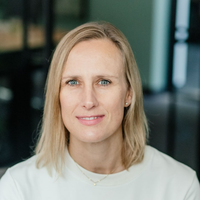
Daniela Fahrenkrog
Fahrenkrog Energy Advisory
Morning networking break
Session 2A
This session sets out what DSOs can deliver in 2027: where capacity remains, which flexible connection agreements are available at the distribution level, and what a developer should establish about a site before committing capital.
This practical session examines where the Dutch BESS contract stack contradicts itself, how co-located and standalone projects differ when a flexible connection is involved, and what has been learned from the structures signed so far.
Four developers face the same obstacles and reach different outcomes, so the answers are directly comparable. Joined by a hardware supplier, because lead times are now outrunning permits, developers are reserving production capacity before financial close, and manufacturers are holding slots for projects that may never reach it.
Session 2B
A data-led review of what Dutch batteries actually earned over the past year: the spread between top-quartile and median performance, how the revenue mix shifted across markets, and how much of it was structural rather than a closing window.
Two modelers with different views on Dutch spreads to 2030 present their central cases and the underlying assumptions, then cross-examine each other using the same set of questions.
Explore how today’s operating battery projects are performing in real-world conditions and what new storage technologies are emerging on the horizon. This session brings together energy storage clients and technology providers, bridging tech and development.
Session 2C(&I)
This session sets out what each contract actually is, who qualifies, what you give up in exchange, and which of them a C&I site can realistically obtain in 2027.
A flexible contract is a promise to reduce your offtake on demand; a battery is what lets you keep that promise without shutting down the tenant's operation. The technical half of the story: how the BESS is sized against the contract, how quickly it has to respond, what the EMS needs to see, and what the owner gives up in return.
One real C&I BESS project from start to finish: why it was built, how the CapEx was structured, what was agreed with the tenant, and what the numbers look like now that it is operating. Including the parts that went wrong.
Networking lunch break
Session 3A
Where longer duration and alternative chemistries change the business case in the Dutch system, and where they remain a solution looking for a problem. An honest read on cost, maturity, and bankability in 2027.
This presentation explores the key trends shaping the energy transition and explains why large-scale battery energy storage systems are becoming an essential part of tomorrow's energy system.
What goes wrong between financial close and commercial operation on Dutch projects: lead times and what breaks first, commissioning, and the warranty and performance disputes emerging as the fleet ages: discussed by each party in the delivery chain.
Session 3B
Every Dutch BESS has a model behind it, and buyers rarely accept it as written. What development-stage, ready-to-build, and operating assets are actually trading at in 2027, and what discount do buyers apply to merchant revenue assumptions?
Most Dutch BESS business cases were built on assumptions that have now been tested in the first few years of operation.
One project walked down the full financing chain, with every party asked the same question: what kills a deal at your stage? Covering developer screening, technical due diligence, credit committee, insurance, offtake, and where M&A and consolidation are heading.
Session 3C(&I)
One real C&I BESS project from start to finish: why it was built, how the CapEx was structured, what was agreed with the tenant, and what the numbers look like now that it is operating. Including the parts that went wrong.
Sub-10 MW projects are too small for infrastructure funds and too unusual for standard commercial lending, which leaves a financing gap exactly where most C&I projects sit. Who is lending into that gap in 2027, on what terms, and what a project has to look like to be fundable.
The commercial and contractual mechanics of a C&I battery are argued out by the developer, the financier, the lawyer, and the insurer. CapEx absorbed into the lease, passed through to the tenant, or run as a separate business case - what to do about insurance, fire safety, and the municipality.
Afternoon networking break
Session 4
The demand-side question that reshapes the BESS business case: how data centers, green steel, e-mobility charging, and industrial electrification are set to change Dutch electricity demand, and what that means for storage siting, sizing, and revenue.
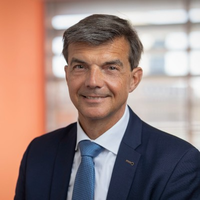
Robert Kroon
Arcadis
Capital is the fastest-moving signal in the energy transition, and right now it is being redrawn by trade barriers, industrial policy, and a scramble for control of the battery supply chain. Gerard Reid closes the day by putting the Dutch storage market inside that bigger picture: where the money is heading globally, what is pulling it, and what it means for the projects being built here.
The same hundred million euros, three markets. A like-for-like comparison of grid access, tariffs, and revenue stacks across the Netherlands, Germany, and Belgium, and what the Dutch market would need to change to win back capital.
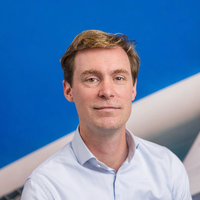
Rens Savenije
Ventolines
Networking drinks
Got questions?
We’ve got you covered — explore our most frequently asked questions about Solarplaza Summit Energy Storage The Netherlands!
Send us an email; we’d be more than happy to help.
Victor Georgescu
Event Manager
For questions about the program and content of the event:
[email protected]
Frannie Flinterman
Flagship & Event Quality Lead
For questions about the program and content of the event:
[email protected]
Ward Schuuring
Business Development Team Lead
For questions about the program and content of the event:
[email protected]


