On 21 October 2026, in the lead-up to the Solarplaza Summit Norway, we hosted a webinar on a question many in the market are asking: what will it take to get more solar and storage projects built in Norway? Kristian L. Gautesen from Endra moderated the discussion with three panelists who have taken projects through the system: Cecilie Arnemo Åsmul from Innlandet Fornybar, Jarl Egil Markussen from Energeia, and Simon Joneklav from SEB. Gautesen opened with the context. A fresh Statnett analysis warns that Norway could face a power deficit of around 20 TWh as soon as 2035, and solar could help close that gap. Yet while the industry has built up a large pipeline of utility-scale projects, few are reaching construction. As of August, around 16 had a concession from the Norwegian Water Resources and Energy Directorate (NVE), and only five or six had been built.
Key takeaways
- Grid capacity is the biggest barrier in parts of Norway, with some new projects facing waits until 2035 because of central grid bottlenecks.
- A permit is not enough: projects stall before final investment decision (FID) without visible revenues, which usually means a power purchase agreement (PPA).
- Higher power prices have made solar PPAs easier to sign, as long as buyers accept a solar profile instead of baseload.
- Battery energy storage systems (BESS) can lift returns into double digits for equity investors, but banks don't yet give much credit to battery revenues.
- Real operating data from the first Norwegian plants is building confidence, and the panel expects costs to fall as a domestic contractor market develops.
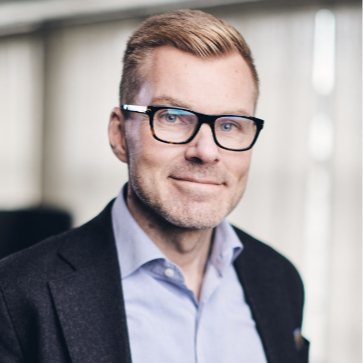
Kristian L. Gautesen
CEO

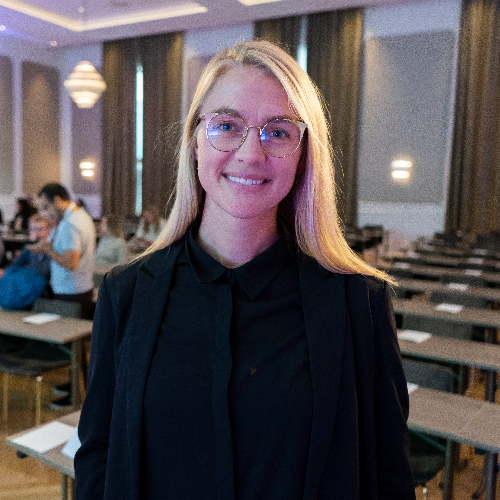
Cecilie Arnemo Åsmul
CEO
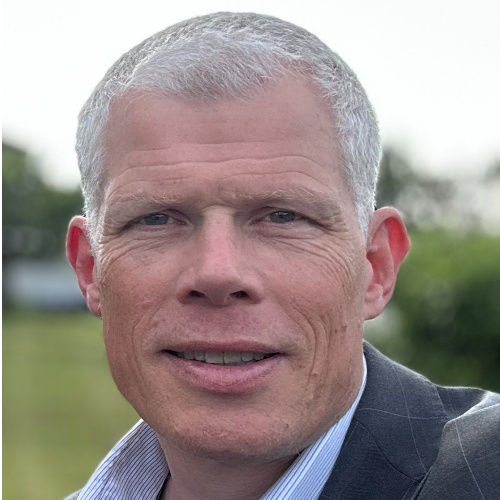
Jarl Egil Markussen
CEO
Simon Joneklav
Head of Project & Infrastructure Finance Norway

Where projects get stuck
Markussen said there is no single reason for the slow progress. It's a combination of few concessions granted, limited grid access, thin economics, and many government bodies with a say in each project. On permitting, he credited NVE with speeding up, but said the time a concession takes has driven many investors out of Norwegian solar since 2022.
For Åsmul, whose projects sit mainly in the NO1 price area in southeastern Norway, grid capacity is by far the biggest issue. Her company's first four projects secured capacity in the existing grid, but every project after that has to wait until 2035. "It takes so much longer to build grid than a solar farm," she said.
Ground conditions and costs add to the challenge. Åsmul explained that contractors price in the risk of rocky, uneven sites, short summers, and cold winters. With a very small domestic contractor market, most subcontractors come from elsewhere in Europe, and Norway's strict rules on worker accommodation and working hours make it more expensive for them to operate. She expects capital expenditure (CapEx) to fall as more local contractors enter the market.
From permit to FID: revenue visibility decides
Once a project has its permit, the next hurdle is money. Joneklav said the most critical factor for a bank is visibility on cash flow, ideally through a PPA or another contracted offtake. Until recently, that has been hard to secure at prices that work for equity investors.
Markussen sees a shift. Buyers have long been afraid of locking in a solar price that would make them "look stupid five years down the road," but this year's power prices have changed the conversation. Some industrial companies now openly tell him they did not budget for current prices, which makes a solar PPA attractive. When they ask what the hidden fee is, his answer is simple: "There is no hidden fee, it's the profile." Buyers need to accept pay-as-produced contracts instead of baseload. Energeia announced a letter of intent for a PPA before the summer, which he sees as proof that common ground is possible.
Joneklav gave a rule of thumb for financing: with a PPA in place, a project can typically raise around €0.5 million of debt per MW. With open price risk, the available debt drops sharply and has to be judged case by case. Markussen added that some banks will lend to fully merchant projects, but usually cap gearing at around 50%.
What successful projects have in common
Innlandet Fornybar has built Måna, which has now operated for a year, and is building Kile, which it hopes to bring online in December. Åsmul credited years of ground-mounted measurement stations for giving investors a solid data foundation. Måna's first year has matched the forecasts, with a capture price of €93 per MWh. "Having good operation measurement data will help your FID," she said, and every new plant makes the next one easier.
The plants have also taught practical lessons. After an earlier project showed that snow sliding off the panels piled up underneath, Innlandet Fornybar raised the bottom edge of its panels to one meter above the ground. In practice, the wind kept the panels clear for most of the winter, apart from two weeks in January at minus 30 °C. Raising the panels did add some cost, in extra steel and more expensive work at height.
For Energeia, reaching FID was about economics. Adding batteries and running them in the ancillary markets lifted the project's internal rate of return (IRR) into double digits. Its upcoming 40 MW project will also use trackers, likely among the first at scale in Norway. Markussen's calculations show trackers lifting the capture rate by about 2%, and they shed snow more easily than fixed panels. Icing is the main open question: "If it's supposed to move, it can stop."
Batteries: attractive for equity, harder for banks
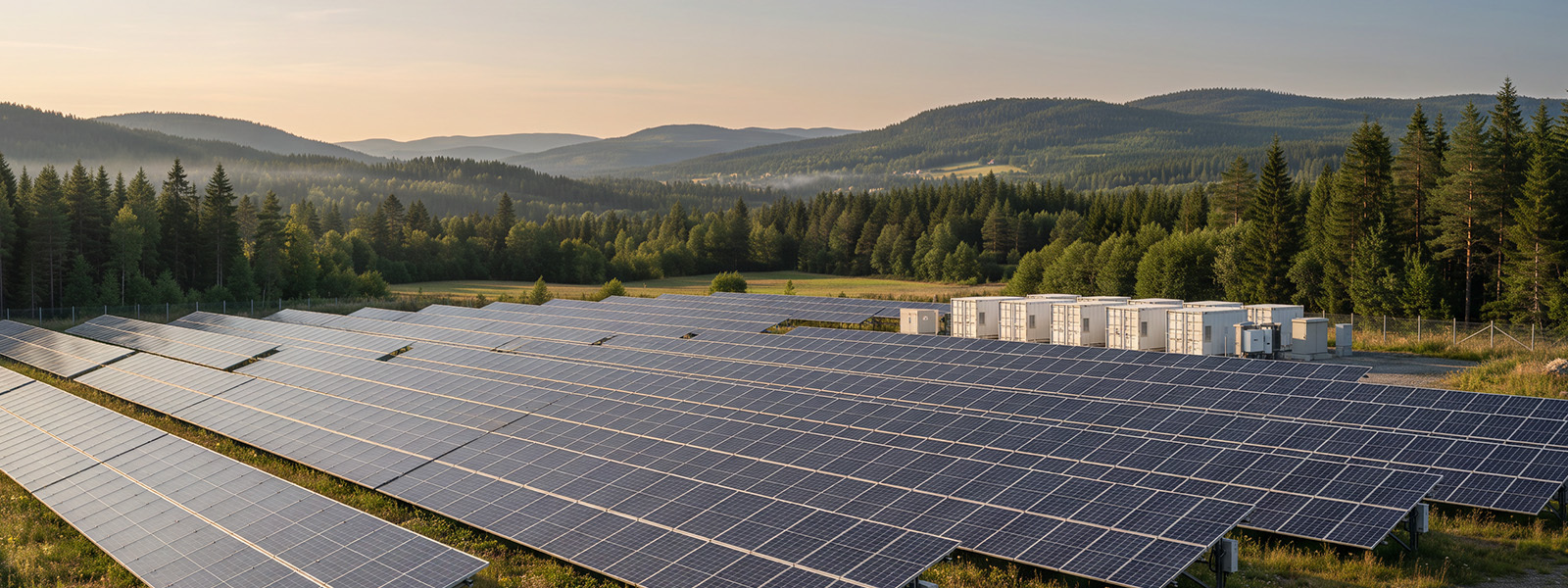
The panel agreed that batteries are now part of every Norwegian solar plan. Markussen said all license applications include a battery, and Joneklav added that across the Nordics, he no longer sees solar projects without one.
Banks remain cautious, though. Markussen was surprised when lenders gave little weight to his ancillary services revenue forecasts. Optimizers promise strong results from algorithms and multi-market strategies but rarely show how, leaving owners to trust that the operator is "good at this." Joneklav agreed. Early movers made very high profits in balancing markets, but a lot of new battery capacity is coming online quickly and the market has little history. Banks can lend against contracted payments such as tolling agreements, but standalone merchant batteries are hard to finance.
Grid access is a barrier here too. Åsmul pointed out that a battery needs a separate grid application for charging, and grid owners tend to treat it as one large consumer and one large producer, not as a solution. She sees uncertainty about Statnett market access as too big a risk for her to build a large battery yet. Markussen added that location matters: in less congested areas, a battery can charge at up to 4.99 MW without involving Statnett, while in his region the limit is far lower. Two-hour batteries are still the most profitable in his analysis, though the market is moving towards four hours.
What needs to change
Asked for one message to Norway's energy minister, each panelist gave a different answer. Åsmul called for faster grid development. Markussen wants to limit the county governor's power to stop projects. Joneklav proposed a contract for difference (CfD)-style support scheme: if the state can offer households a fixed price, he asked, why not give renewable energy developers a similar promise?
Gautesen summed up the session as a conversion challenge, turning concessions into FIDs and operating plants. He listed faster grid development, more transparent capacity information, faster and more predictable permitting, better social acceptance, and more competitive tax depreciation rules as ways to get there. Batteries and data centers bring real opportunities, he added, but as the discussion showed, real projects create the most confidence.
Continue the conversation in Oslo
All four panelists will be speaking at the Solarplaza Summit Norway on 24 November 2026 in Oslo. Gautesen presents a case study on what moved Endra's projects forward, Markussen moderates the panel on reaching FID, and Åsmul and Joneklav join the interactive "Norway reality check" session. Join us at the Radisson Blu Plaza Hotel to put your questions to them in person.