What we are watching unfold in the Gulf right now is not just another regional flare up but a reminder that the global energy system still rests on a handful of physical chokepoints and that geopolitics can still move markets faster than anything else. In the short term, price volatility will only increase but in the longer term I am clear that the conflict will only cause a move towards alternatives to oil and gas.
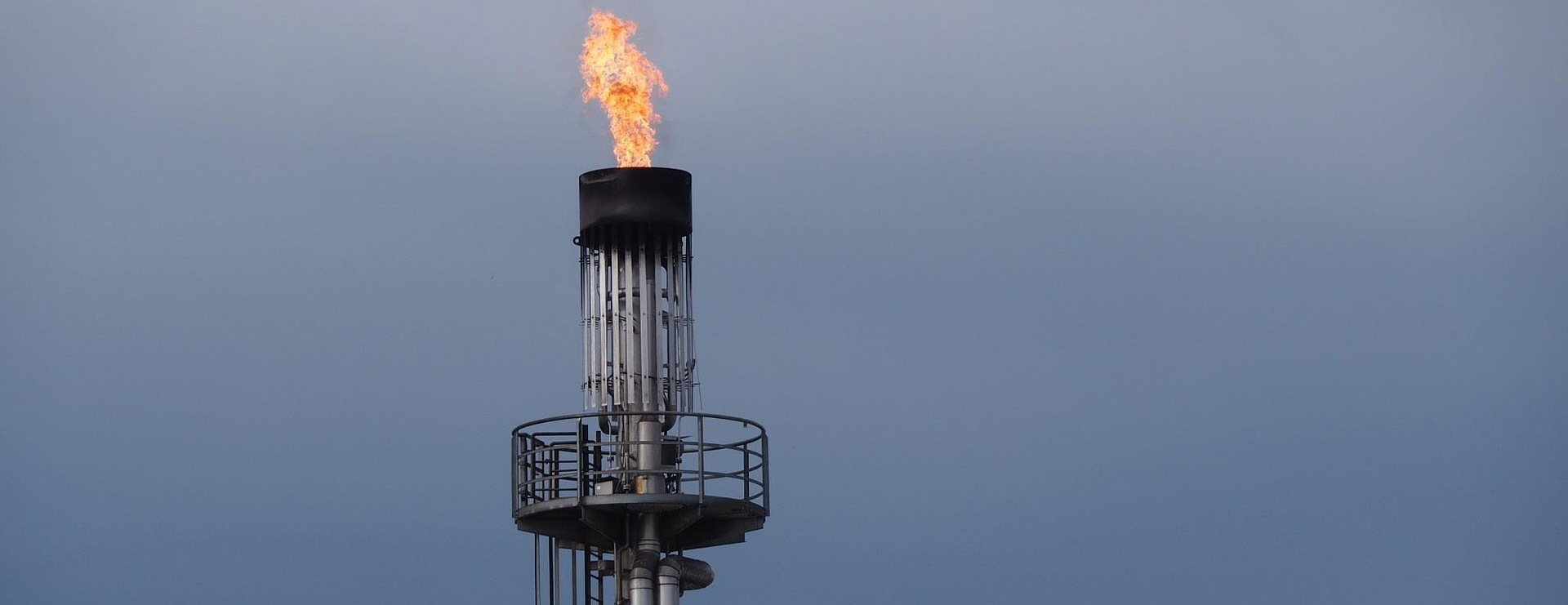
Over the last few days, we have seen the United States and Israel launch coordinated strikes against Iranian leadership and military infrastructure, killing the Supreme Leader and other senior figures in the regime. Iran responded quickly, by hitting targets across the Gulf and attacking energy infrastructure including the Ras Tanura refinery in Saudi Arabia and U.S. military assets across the region.
Iran then warned ships to stay away from the Strait of Hormuz, that narrow passage of water between Oman and Iran which connects the Gulf to the open ocean and through which roughly a fifth of global oil trade and around a quarter of global LNG shipments travels. Bottom line, when fuel traffic slows through Hormuz, energy markets react instantly which is why natural gas and oil prices have skyrocketed across the world.
It is also worth remembering that the world economy has been here before. There were two oil crises in the 1970s, the first in 1973 began with the October 6 attack on Israel by Egyptian and Syrian forces, which triggered the Yom Kippur War. After the United States supported Israel, Arab members of OPEC responded by raising prices and cutting production, eventually imposing an oil embargo against the United States and several Western countries. Then we had the second oil crisis in 1978–1979, which was triggered by the Iranian revolution, which removed about 2.5 million barrels per day from global markets and sent oil prices sharply higher as panic buying and stockpiling began.
But there is one important difference between those oil crises and now and that is that the United States is no longer the energy importer it once was and thanks to the shale revolution is now a major producer and exporter of oil and gas. In practical terms that means higher oil prices today do not drain money from the U.S. economy in the way they once did. Instead they redistribute wealth inside the economy, hurting consumers but helping domestic oil and gas producers who can benefit from the higher global prices. This is not the case in Asia where countries such as China, India, Japan and South Korea are now heavily dependent on on oil imports from Saudi Arabia, Iraq, Oman and the UAE. What this means is the longer the Strait of Hormuz is disrupted, the greater the shock to their economies and to other major energy importers like Europe.
And protecting tankers will not be easy despite President Trump’s assurances that the US will provide risk insurance necessary for boats as well as pledging that the US navy will escort ships through the strait. The issue is that Iran has spent years building missile and drone capabilities along its coastline precisely to deter that kind of move. And from Iran’s perspective the strategy is obvious, expand the conflict beyond its borders and force the rest of the world to feel the economic pain.
There is also a deeper lesson here which starts with an uncomfortable reality and that is that fossil fuels still rule the world and that we are still addicted to them. Oil still powers global transport, fuels industry and underpins the security architecture of the global economy with natural gas being a major source for heat and electricity generation purposes. Until those dependencies weaken, geopolitical shocks in places like the Gulf will continue to send shock waves across the world.
The good news is that there is a lot of fossil fuels across the world but the issue is that most of the major reserves are in Iran, Saudi Arabia, Russia and Venezuela which explains why places like China are electrifying their economy faster than any major country in the world. It is doing this to reduce geopolitical risks around energy imports but also because it sees a huge economic opportunity in building the electrical technologies of the new energy system, from solar to batteries, which can then be exported across the world. China also understands something very simple and that is economics. Using electricity is ultimately more efficient than burning fuels which means lower costs across the economy. This can be clearly seen in the sales of cars in China where over 60% of all cars sold last year were electric. Consumers are doing so because these cars are cheaper to buy, to fuel and to service than combustion-based alternatives. To make things more interesting that same electricity can also be used to push digitalisation and artificial intelligence adoption which again is a key to competitive and geopolitical positioning going forward.
But it is not just China that is electrifying. They are happening across the world from Norway to Pakistan and they are reshaping the energy system faster than most people expected. And the longer the Iranian conflict continues, the faster the move toward an electrified world will accelerate. Because in the end the safest energy is the energy you produce yourself and that is electricity from renewables, nuclear with fossil fuels in reserve.
Guest contribution by:

Gerard Reid
Co-Founder & Partner

